Evidence before conclusion
Begin with observable evidence and documented manufacturing context—not a desired outcome.

Institutional Principles
The archive preserves manufacturing evidence, explains its reasoning, and maintains a reviewable educational record without overstating what the evidence supports.
Core Principles
This page summarizes the archive’s public research principles under the adopted Governance Charter V2; it does not replace the Charter or its approved policies and procedures.
Begin with observable evidence and documented manufacturing context—not a desired outcome.
Original source evidence remains unchanged. Crops, annotations, comparisons, and other derivatives remain separately identifiable and traceable to their source.
Plant, timeframe, component, application, process, tooling context, and documented manufacturing variability determine relevance. Variation is not automatically authentic, and difference alone does not prove alteration.
Retain unresolved questions, conflicts, limitations, and revisions in the record.
Analytical tools may assist. Qualified human reviewers remain accountable within the applicable acceptance and approval processes; no reviewer alone confers methodology, benchmark, publication, or governance approval.
Research or benchmark designation supports education and comparison. It is not authenticity certification, public-release permission, appraisal, or a guarantee of originality, condition, value, or vehicle status.
Evidence • Preservation • Review
Approved archival imagery provides documentary context; it never substitutes for case-specific source evidence.
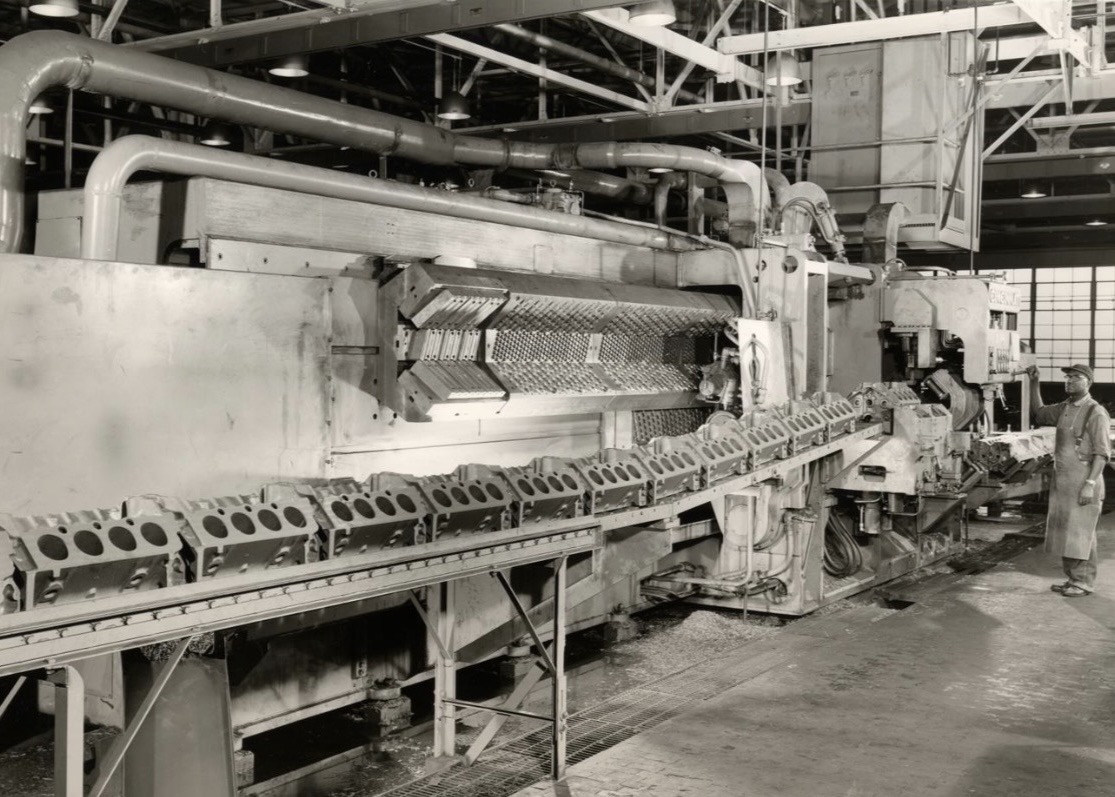 Reference context
Historical context informs research without determining an individual finding.
Approved Gary Bosselman Authenticity Archive assetResearch Integrity
Detailed procedures belong in the Methodology and Analysis sections. These commitments govern every use of them.
Authoritative source evidence and provenance remain intact.
Observed fact, interpretation, hypothesis, and conclusion remain separate.
Conflicts and limitations remain visible to qualified reviewers.
Material statements retain a path to evidence, reasoning, and revision history.
Where approved and enabled, AI and derived aids may assist research. Their outputs remain advisory and do not replace required human review or approval.
Research • Review • Preservation • Education